

For a network carrier such as Southwest Airlines, one extra departure can create far more work than one additional turnaround. It can shift crew report times, tug availability, baggage loading capacity, load closeout pressure, and the price of covering the work.
That is why airline ramp rate changes need an operating decision before an invoice discussion. When a schedule changes without a shared baseline, a station can absorb the work for weeks before either party sees the cost or the service risk.
A strong contract connects demand, resources, performance, and price in the same operating model.
Key Takeaways
- Airline ramp rate changes should be based on a shared operating baseline covering movements, aircraft mix, baggage volumes, service scope, staffing, equipment, and performance requirements.
- Rate adjustments need objective triggers, reliable data sources, notice periods, and defined commercial responses for seasonal changes, volume shifts, aircraft mix changes, and remote-stand activity.
- Pricing should distinguish fixed readiness costs, variable handling work, labor and equipment requirements, indexation, and exception costs such as overtime, towing, and special equipment.
- Baggage reconciliation, turnaround timestamps, equipment status, and shared scorecards make service performance and invoice evidence auditable across airline and ground-handler teams.
- Staged implementation with 30-, 60-, and 90-day checkpoints helps validate staffing, systems, billing evidence, SLA results, and recovery plans before the revised rate becomes business as usual.
- For a practical walkthrough of ramp, baggage, and turnaround workflows, Book a Demo.
Set a baseline for ramp-rate changes
A ramp-rate change combines a movement change, a service-scope change, a readiness requirement, and a commercial adjustment. It can affect every task between aircraft on-block and pushback, including baggage handling, cargo operations, marshalling planes, ground support equipment, load control, and departure timelines.
Define the work that the rate covers
Start with a station-specific service map for the ground-handling contract, connecting airline, airport, and handler responsibilities across ground operations. State each activity’s owner, completion point, system of record, and handoff to the next team.
IATA includes ramp services, baggage handling, and aircraft marshalling among the functions airlines may outsource to service providers. Its provider-selection guidance is a useful reference when setting clear accountability across airline, airport, and ground-handler teams.
The scope should also identify excluded work, with separate triggers for remote stand tows, late aircraft swaps, de-icing coordination, and unusual ULD requirements. These exceptions can change the resource profile sharply.
Separate fixed readiness from variable handling
Every station has fixed costs, including a duty manager, minimum qualified crew, ramp control coverage, training, and equipment readiness. Variable work rises with departures, bags, aircraft type, remote stands, cargo volume, and irregular operations.
Record the original schedule baseline, aircraft mix, gate distribution, expected bag volumes, and service windows. Without those reference points, the parties can’t distinguish a genuine workload change from normal day-to-day variation.
Use objective triggers for rate adjustments
A rate re-opener should never depend on a vague claim that operations feel busier. It needs a measurable threshold, a data source, a notice period, and a defined response.
Plan for seasonal ramp-ups and ramp-downs
Planned changes include summer peaks, winter schedule reductions, new routes, added frequencies, and fleet-gauge changes. Build a rolling 13-week view of the contracted schedule, with airport hub departure banks, aircraft type, gate type, bags per departure, and predicted staff demand.
Use flight reservation data as a secondary demand signal for forecasting bags and staffing. The contracted schedule baseline remains the source of truth. Published seasonal schedules, such as those from Southwest Airlines, can provide context without replacing that baseline.
Set a commercial notice period that comes before roster finalization and equipment allocation. The contract should also define what happens when a seasonal ramp-down removes enough work to make the existing staffing floor unsustainable.
A gradual ramp-down may need a phased crew reduction, revised equipment plan, and temporary minimum monthly charge. Removing resources too quickly increases schedule-resilience risk when demand returns. A phased approach is more stable than cutting resources overnight and scrambling to restore capacity.
Contain unexpected demand shifts
Disruptions need a different route. Weather, ATC restrictions, aircraft substitutions, flight modifications, construction, missed connections, and delayed inbound flights can create short, intense demand spikes.
Define an emergency process with a rapid notification window, named approvers for temporary overtime authority, and a post-event review. The handler should document extra labor, equipment, and service impacts while operational evidence is still available.
A rate trigger should state what changed, how it is measured, when the revised rate applies, and which data settles a dispute.
Price the changed operating model
When a revised operating model is priced well, the rate card reflects the actual unit of work. An hourly rate alone can hide inefficient staffing and differences between aircraft types, remote stands, and baggage-heavy turns. A single per-turn rate can also underprice a widebody, remote stand, or baggage-heavy departure.
Ground-handling contracts commonly use per-turn menus or broader station SLAs with performance incentives and penalties.
Match the pricing unit to the trigger
Use a short rate matrix that links each material change to observable operational data.
| Change pattern | Verified trigger | Commercial response |
|---|---|---|
| Higher flight frequency | Movements exceed the agreed baseline for a stated period | Apply a new per-turn volume band, with a fee phase-in policy for staged growth |
| Larger aircraft mix | Widebody or high-capacity share passes a set threshold | Reset the aircraft-type rate matrix |
| More bags per departure | Bag count exceeds the contracted planning assumption | Add a per-bag or per-ULD adjustment |
| More remote-stand activity | Remote turns exceed the agreed share of operations | Apply a remote-stand supplement |
The result should remain auditable. A carrier needs to see the schedule and throughput evidence. The ground handler needs protection against absorbing extra work without a funded crew or equipment plan.
Control indexation and exception costs
Keep labor, fuel, insurance, and equipment indexation separate from volume-driven adjustments. Name the index, effective date, calculation method, cap if applicable, and evidence required for each revision.
Also define overtime, call-outs, towing, overnight recovery, and special equipment. These costs should have pre-agreed authorization rules, not a debate after a delayed flight has departed.
Treat labor and equipment as rate drivers
The work of a ramp agent is physical, time-sensitive, and dependent on qualifications. Crews marshal aircraft, position chocks and cones, unload and load baggage or cargo, operate ground support equipment, support turnaround tasks, and report safety or damage events.
A price model that only counts scheduled labor hours misses the operational reality of qualification mix, first-wave attendance, training time, and standby coverage.
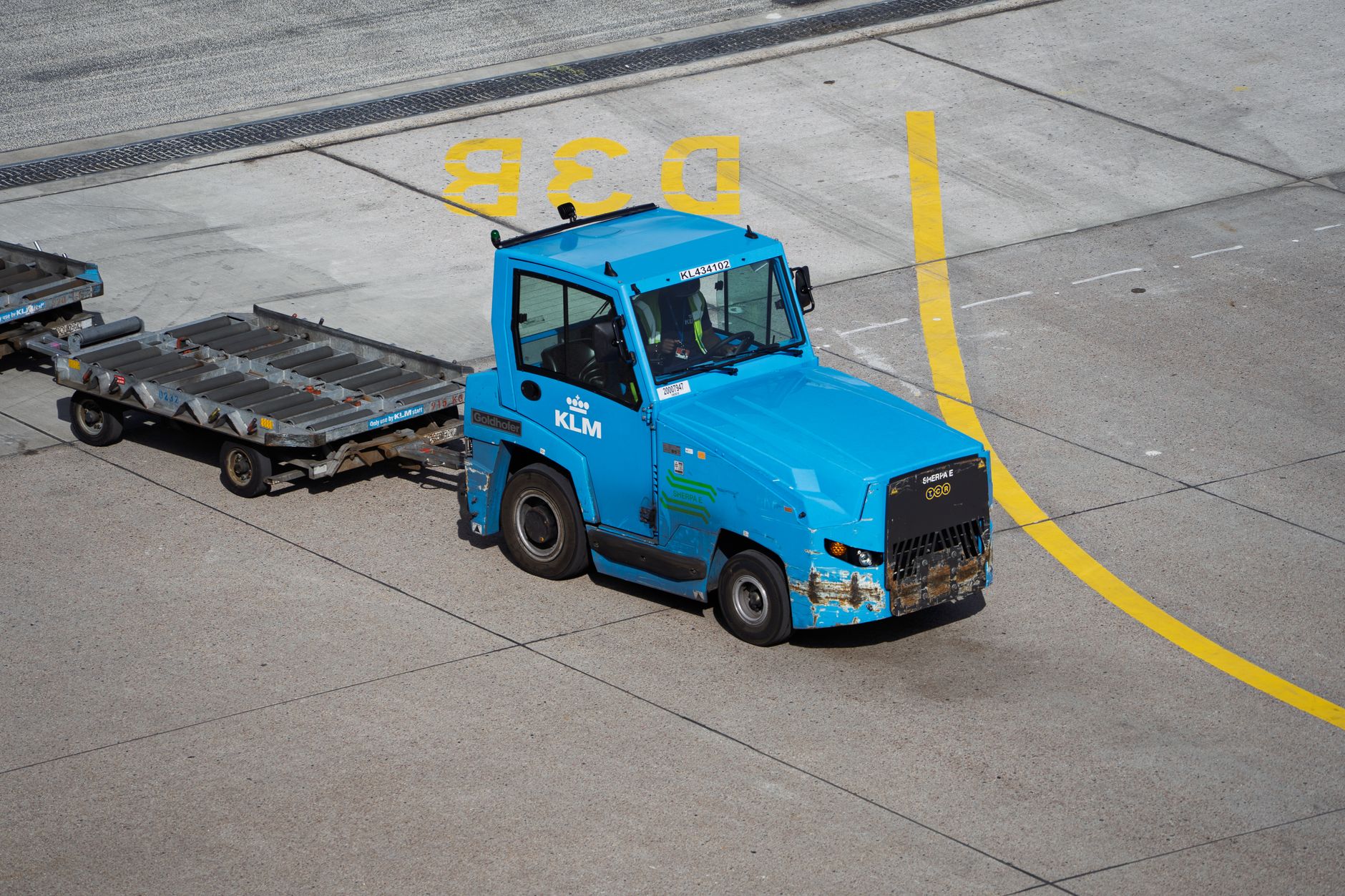
Photo by Martijn Stoof
Staff to departure banks, not annual averages
Require a crew build for each major bank. It should show supervisors, qualified ramp agent coverage, drivers, load-control coverage, break relief, standby resources, and equipment assignments by aircraft type.
Labor cost pressure is a real commercial issue. IATA’s Annual Review identifies rising labor costs among the factors increasing airline costs.
Local evidence should cover the pay scale, wage floors, shift premiums, overtime exposure, turnover rate, cost per hire, and recruiting budget. Where applicable, health insurance, retirement match, profit sharing, and training cost also affect the local rate.
Southwest Airlines’ compensation assumptions shouldn’t be applied to a local handler without evidence. The comparison must reflect the actual market, work rules, and staffing conditions at the station.
Where collective bargaining applies, account for seniority-based schedule bidding, vacation allocation, and overtime rules. A service provider can’t promise roster flexibility that conflicts with its union agreement.
A probationary period can also delay full readiness, especially when new hires need equipment qualifications or supervised operating time. Include that readiness gap in the staffing plan.
Address the shift commute risk
Early ramp shifts can begin before public transit operates reliably. Measure reporting reliability by shift start time and employee shuttle availability. Pay special attention to the first departure bank and the transit timetable.
If attendance risk rises before 5 a.m., consider funded parking, an employee shuttle, vanpool support, staggered report times, or additional standby coverage. These are operating controls with a cost. Record employee shuttle coverage and cost in the staffing model rather than treating it as an informal local workaround.
Protect SLAs with baggage and turnaround data
Rate changes often expose weak data before they expose weak effort. A station may have enough people on duty yet still miss a departure. Baggage scans, equipment status, task timestamps, and load data may sit in separate systems.
Make baggage reconciliation measurable
A baggage reconciliation system (BRS) verifies that bags accepted for a flight are accounted for before departure. Under IATA baggage-tracking requirements, member airlines must track checked baggage at acceptance, loading, transfer when custody changes, and arrival or delivery.
That makes real-time baggage tracking a contract issue, not only an IT project. Airline baggage handling software should show each bag’s journey from check-in to arrival. It should also flag missing scans, late bags, offloads, and bag-to-flight mismatches.
When comparing baggage reconciliation system providers, require scan-event audit trails, offline device capability, scanner uptime reporting, exception ownership, BMM and BPM message support, and configurable station SLAs. These controls link each bag event to an accountable response. They support IATA Resolution 753 compliance, airport security baggage tracking, and practical baggage mishandling solutions.
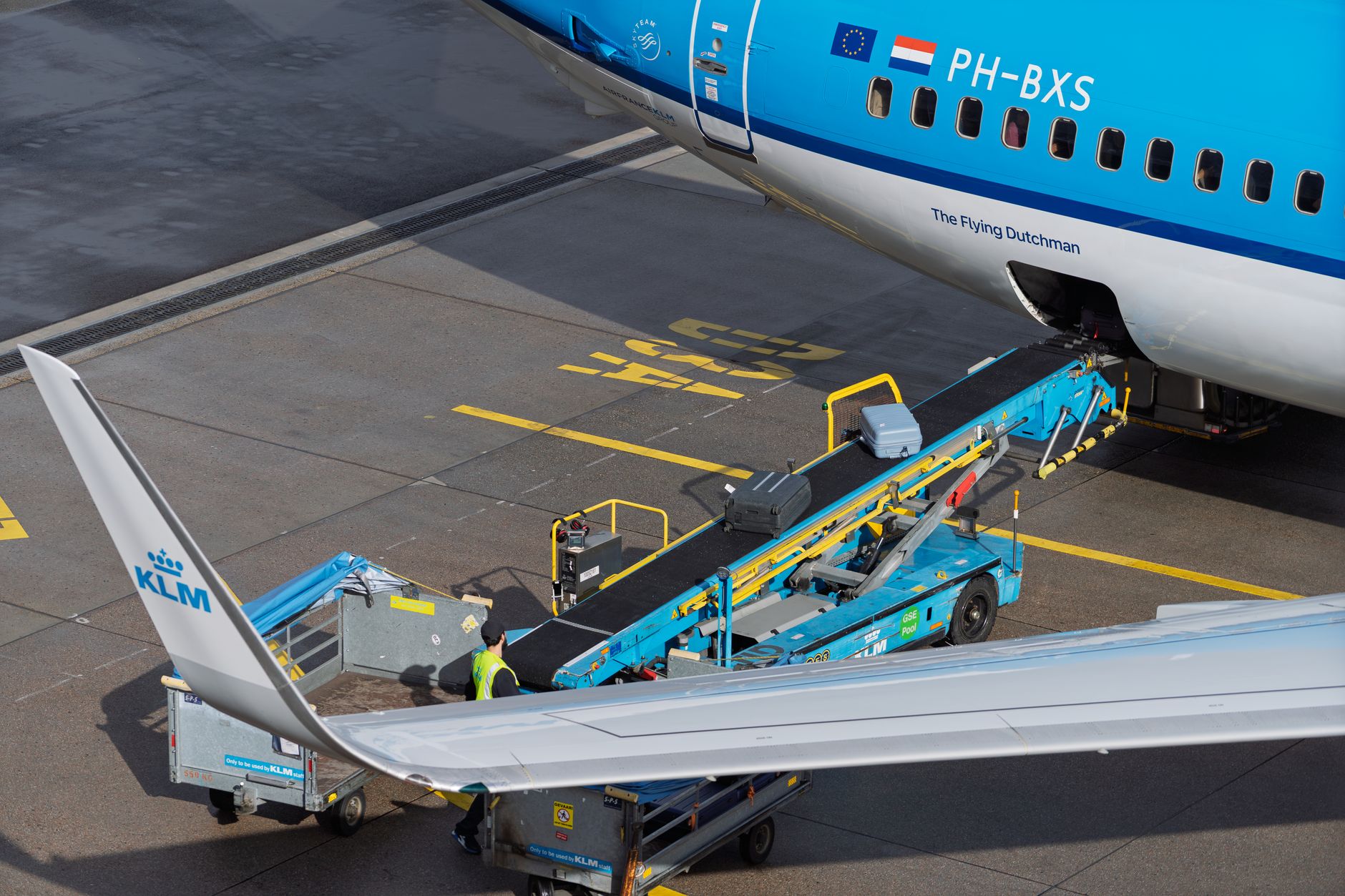
Photo by Martijn Stoof
Connect systems around the turnaround
Link the BRS with departure control, bag-system integration, load control, and ground operations software. An airport baggage tracking system should provide end-to-end visibility. Aircraft turnaround software should record task timestamps that explain why a departure was delayed. Together, these records can show whether the failure began with a missing scan, a load change, or an unfinished task.
Cloud-based aviation software can give supervisors the same live view across multiple stations. A scalable SaaS BRS can also suit smaller airports with a lower infrastructure burden. Exception closure time, scan completion, and equipment readiness then make bag flow and station performance measurable.
AI can help forecast bag volume, late-bag risk, or equipment demand. Keep people responsible for operational decisions and safety-critical exceptions.
Put the new rate into production in stages
A signed rate card alone doesn’t change station performance. The operating plan needs a controlled release, especially when new scanning steps, service standards, equipment, or staffing assumptions are involved.
Use 30, 60, and 90-day checkpoints
During the first 30 days, validate the baseline data and train affected ramp agent teams and supervisors. By day 60, test billing evidence, exception handling, and SLA reporting. At day 90, compare actual productivity, service results, and overtime with the approved commercial and staffing assumptions.
Before go-live, confirm that:
- The approved schedule baseline and forecast source are available to both parties.
- Early-shift staffing plans cover attendance, standby coverage, qualifications, shift premiums, absenteeism risk, and employee shuttle arrangements.
- Equipment availability meets the aircraft mix and remote-stand requirement.
- System integrations capture service events and baggage reconciliation data.
- Temporary rates, change orders, and invoice rules are approved in writing.
- A recovery plan exists for scanner outages, missing data, and disrupted flights.
Widerøe Ground Handling deployed FIRST ramp across 41 stations in 10 weeks. Publicly documented multi-station operations from Southwest Airlines offer a useful comparison, while Widerøe’s experience shows the value of mobile service capture, centralised operational data, and automated billing evidence for consistent SLA control. For a practical walkthrough of ramp, baggage, and turnaround workflows, Book a Demo.
Govern performance after the revised rate starts
Daily control calls should address immediate departures and baggage exceptions. Weekly reviews should test staffing, equipment availability, invoice evidence, SLA outcomes, and trigger thresholds. Monthly governance meetings can approve corrective actions or the next rate change.
For a multi-station carrier such as Southwest Airlines, a shared scorecard creates consistent definitions without assuming identical local conditions.
Use a shared scorecard
Track on-time push performance, controllable delay minutes, average turnaround time, baggage scan completion at the four required events, unresolved BRS exceptions at closeout, misloads, first-wave attendance, overtime, equipment availability, and service-capture completeness. If the station funds an employee shuttle, track its reliability alongside first-wave attendance.
IATA’s ground operations standards cover areas including ground handling agreements, training, load control, equipment management, and safety. Use those standards as an operating reference, then tailor the scorecard to local airport conditions and contract scope.
This is a commercial and operational framework, rather than legal advice. Legal, procurement, labor-relations, finance, operations, and IT teams should review the final language together.
Frequently Asked Questions
What is an airline ramp rate change?
An airline ramp rate change is a commercial adjustment tied to a change in movements, service scope, aircraft mix, baggage volume, staffing needs, equipment requirements, or readiness obligations. The adjustment should connect observable operational data to a defined rate response.
Which data should trigger a ramp rate adjustment?
Useful triggers include departures above the agreed baseline, changes in aircraft type, bags per departure, remote-stand activity, and demand during defined planning periods. The contract should name the data source, measurement period, threshold, notice period, and effective date.
How should seasonal ramp-ups and ramp-downs be managed?
Use a rolling 13-week schedule forecast that includes departure banks, aircraft type, gate type, baggage volumes, and predicted staffing demand. Ramp-downs may require phased crew reductions, revised equipment plans, or a temporary minimum charge so capacity is not removed faster than demand can safely return.
What costs should be separated from volume-based rate changes?
Labor, fuel, insurance, and equipment indexation should be calculated separately from changes driven by flight volume or service scope. Overtime, call-outs, towing, overnight recovery, and special equipment should also have pre-agreed authorization and billing rules.
How can both parties verify that the revised rate is working?
Use shared data from baggage reconciliation, departure control, load control, ground operations software, equipment records, and turnaround timestamps. Regular daily, weekly, and monthly reviews should track service outcomes, staffing, equipment availability, invoice evidence, and the rate-adjustment triggers.
Build rates that reflect the work
The strongest airline ramp rate changes connect a forecasted workload to trained people, available equipment, clear service ownership, and verifiable system data.
When both parties can see the same operational evidence, carriers such as Southwest Airlines can apply the model consistently across stations. Rate revisions stop being reactive invoice disputes. They become controlled changes that protect on-time departures, baggage compliance, and station economics.


